
Travel guide
Southern part
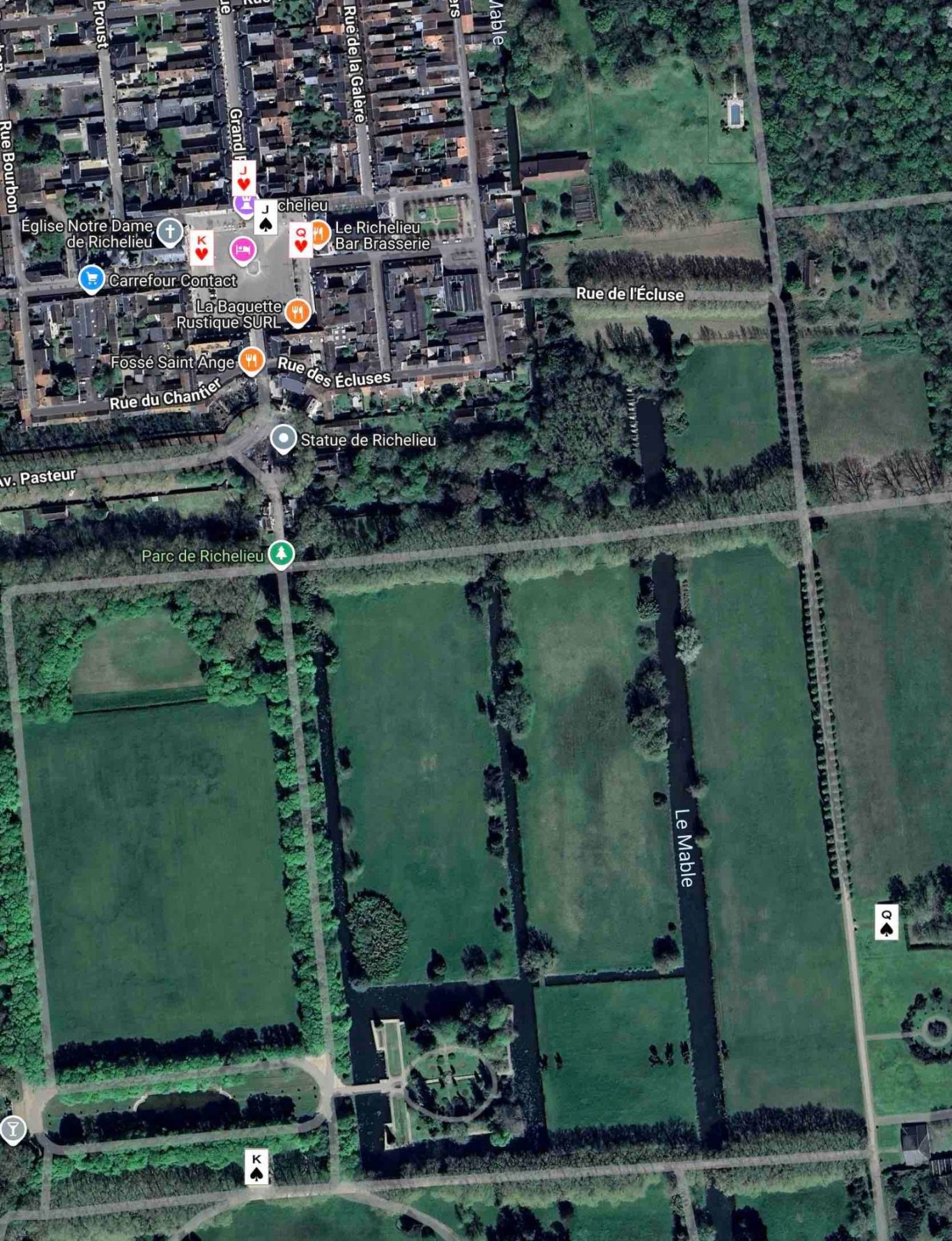
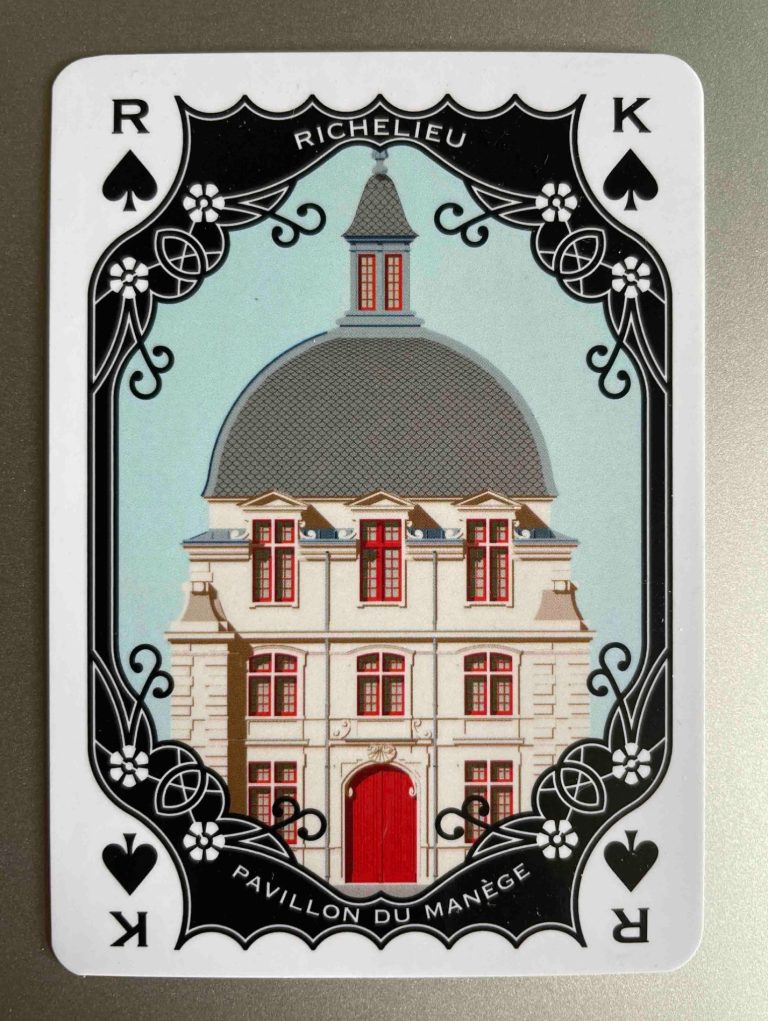
Pavillon du Manège
The "Pavillon du Manège" is one of the few remaining built structures of the estate created by the Cardinal Richelieu starting in 1624. Also known as Le Dôme, this building was originally the central pavilion of the stables that occupied the southern part of the inner courtyard. From the main entrance to the estate (visible to the west), a first outer courtyard provided access to the inner courtyard, which then led to the château itself. The quality of the pavilion's architectural details (given that it was originally only an outbuilding of the château) demonstrates the level of expertise that the architect Jacques Lemercier brought to the development of the estate's design.
Further information (in French) :
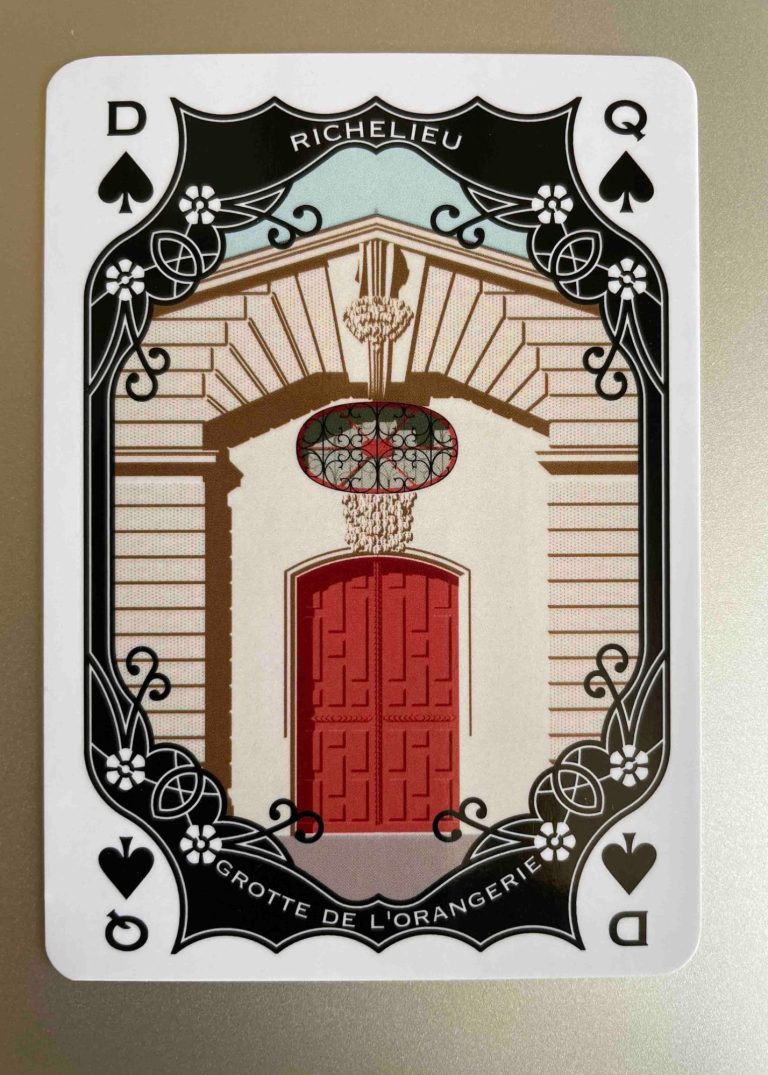
Grotte de l'Orangerie
In the 17th century, France experienced a revolution in garden design: the birth of the formal French garden. Initially influenced by the Italian Renaissance garden, one of the great innovations of the French was the parterre. Richelieu's park was probably one of the very first gardens to experiment with these new rules, which reached their zenith during the reign of Louis XIV. The façades of the Château de Richelieu opened onto a series of parterres whose layout, encircled by the Mâble canals, remains intact. On the east side of the château, the main parterre preceded the semicircular garden, thus enclosing the perspective of the landscape. Located on either side of the semicircular garden, the Orangerie grotto and the Bacchus grotto testify to the importance of their functions within the context of the gardens.
Further information (in French) :
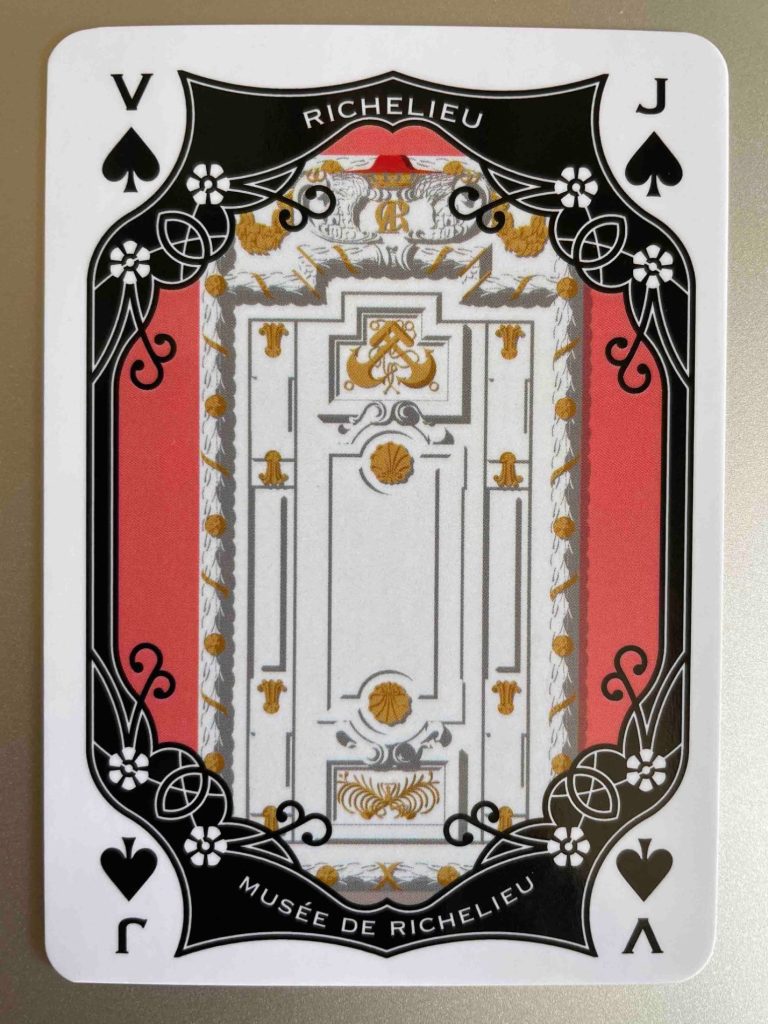
Musée de Richelieu
The Richelieu Museum houses part of the masterpieces that included the Cardinal's personal collection. Among the artworks, one can admire six large paintings of the military campaigns during the reign of Louis XIII, which originally occupied the grand battle gallery of the Château de Richelieu. A series of polychrome wooden doors demonstrates a high degree of refinement in the wood carving, attesting to the skill of the artisans. A beautiful architectural model reconstructs Richelieu's project (town, château, and park) as it was completed in the 17th century, employing up to two thousand workers and artisans at a time. During the French Revolution, the Cardinal's collection was dispersed, and many artworks were also destroyed. Nevertheless, some of these masterpieces can be admired in various museums, including the Louvre in Paris.
Further information (in French) :
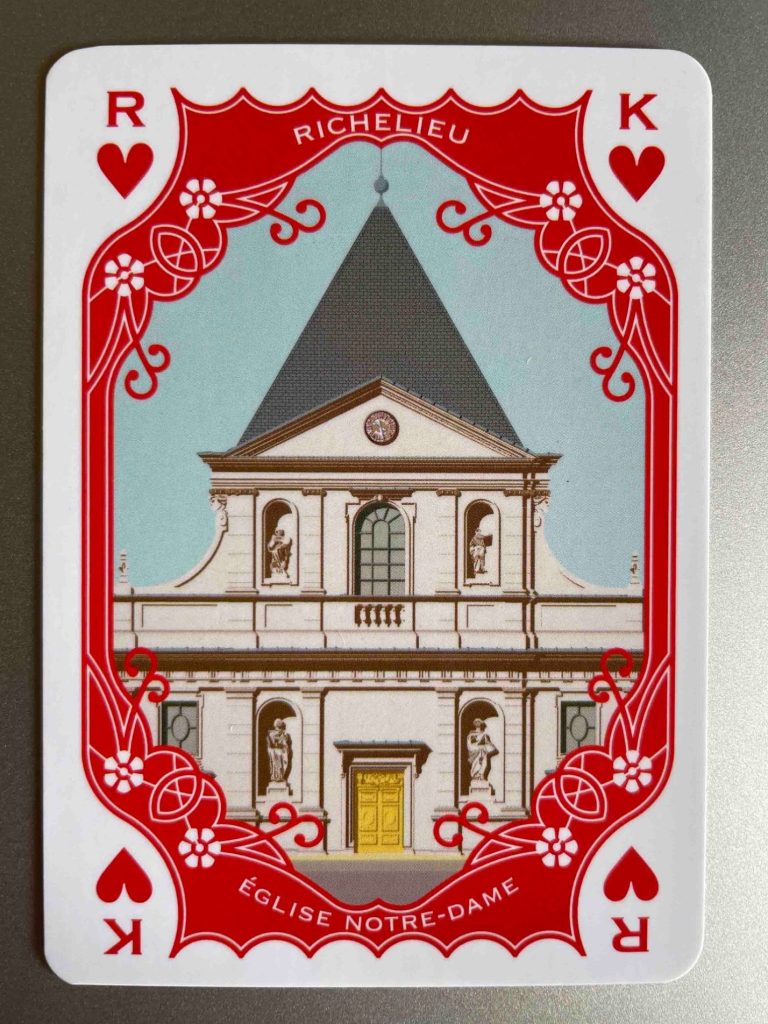
Église Notre-Dame
The façade of Notre-Dame Church reminds the influence of the Italian Renaissance, and in particular the work of Giacomo della Porta, which led to Mannerist art. Born into a family of architects and master masons, Jacques Lemercier brought back from his time in Rome an inspiration that would become the precursor of French Classicism, reaching its zenith a few decades later. In the background, the two obelisk-shaped bell towers demonstrate a remarkable modernity at a time when the Baroque style was just emerging in France. Based on a longitudinal Latin cross plan, the interior is bathed in natural light. On the ceiling, Jacques Lemercier developed a unique architectural treatment at the crossing of the nave and the chancel, installing a large molded frame. The church houses an organ built by Louis Bonn in 1853.
Further information (in French) :
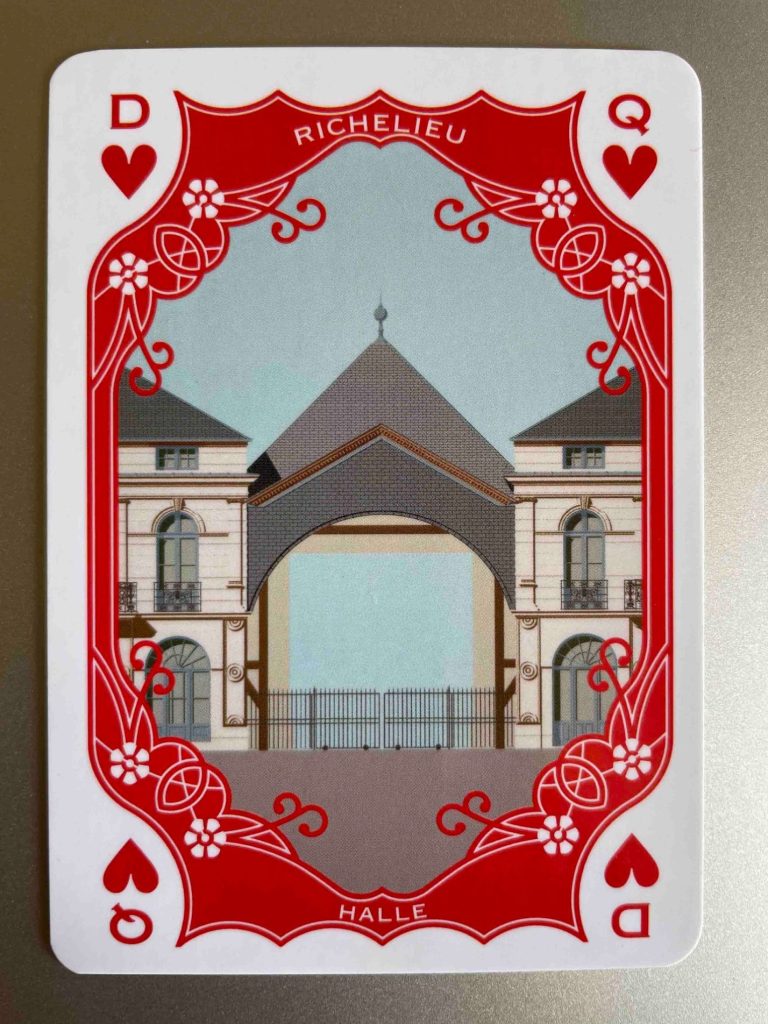
Halle
Despite the fact that it is hidden since 1843 by four Louis-Philippe style pavilions, the Richelieu market hall nevertheless retains its original 17th-century structure. The transition between the romantic exterior façades and the straight lines of the chestnut wood structure is certainly striking, but the hall's architectural homogeneity is revealed once inside. When it opened in 1638, it was one of the largest market halls built in France. A testament to the carpenters' great skill, the building housed the economic heart of the Cardinal's "ideal city." Four centuries after its opening, the market hall continues to play a vital role in the city's life and demonstrates the relevance of the place and its function.
Further information (in French) :
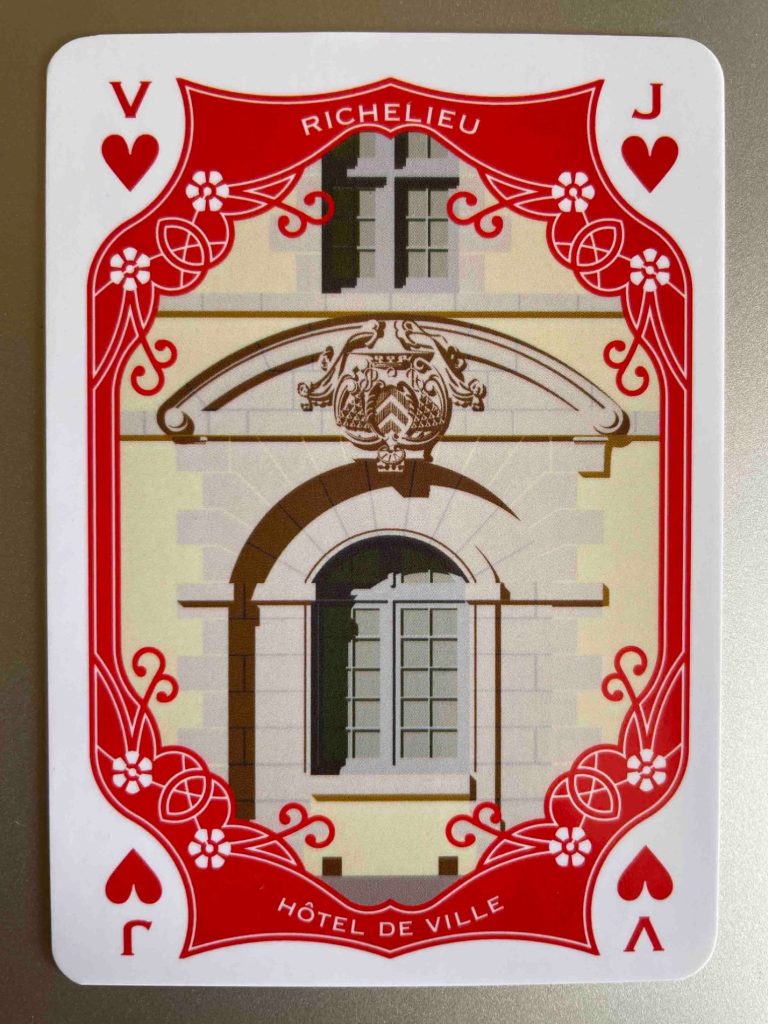
Hôtel de Ville
Under the Ancien Régime, this corner building housed the courthouse. It is particularly interesting to compare the two coats of arms above the entrance doors (one of which is now occluded): the town's armorial on the market square side, and the cardinal's coat of arms on the main street side. The town hall also houses the Richelieu Museum on the first floor. As part of its efforts to preserve its unique heritage in France, the town of Richelieu benefits from a Heritage and Development Plan (PSMV in French). The graphic elements of this urban planning document are invaluable for understanding the project undertaken by the Cardinal.
Further information (in French) :
Travel guide
Northern part
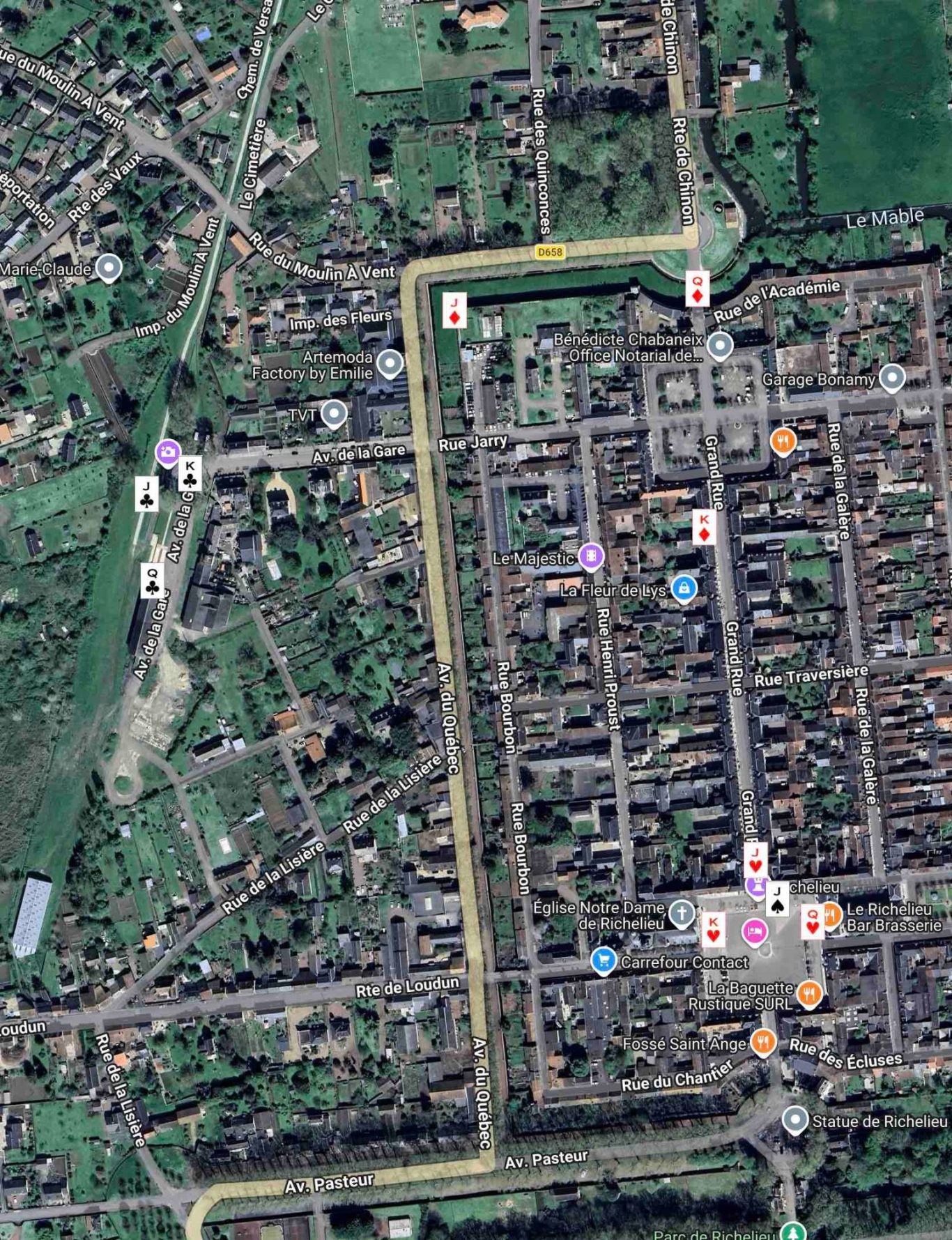
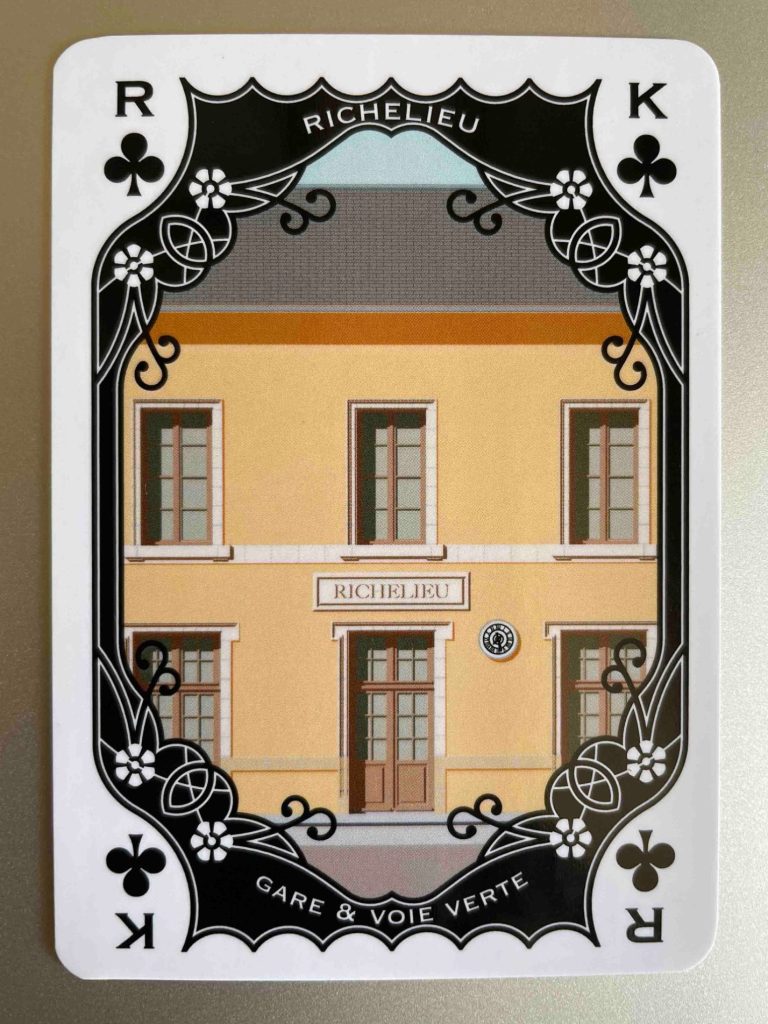
Gare & Voie Verte
Opened in 1884, Richelieu train station was the last stop on the line connecting the Cardinal's town with Ligré-Rivière. At the end of the 19th century, the railway helped open up the French countryside by transporting passengers, goods, and mail. The rise of the automobile in the 20th century made the railway less and less profitable, but the line survived thanks to its conversion into a tourist railway starting in 1974. Three decades later, the line was finally decommissioned. Fortunately, the track layout was preserved to accommodate a greenway. Extending the route to Chinon, pedestrians and cyclists now enjoy a 20 km path, safe from motorized vehicles, much to everyone's delight. Users can find loads of information and services along the way via a dedicated app. Richelieu station itself now hosts temporary exhibitions.
Further information (in French) :
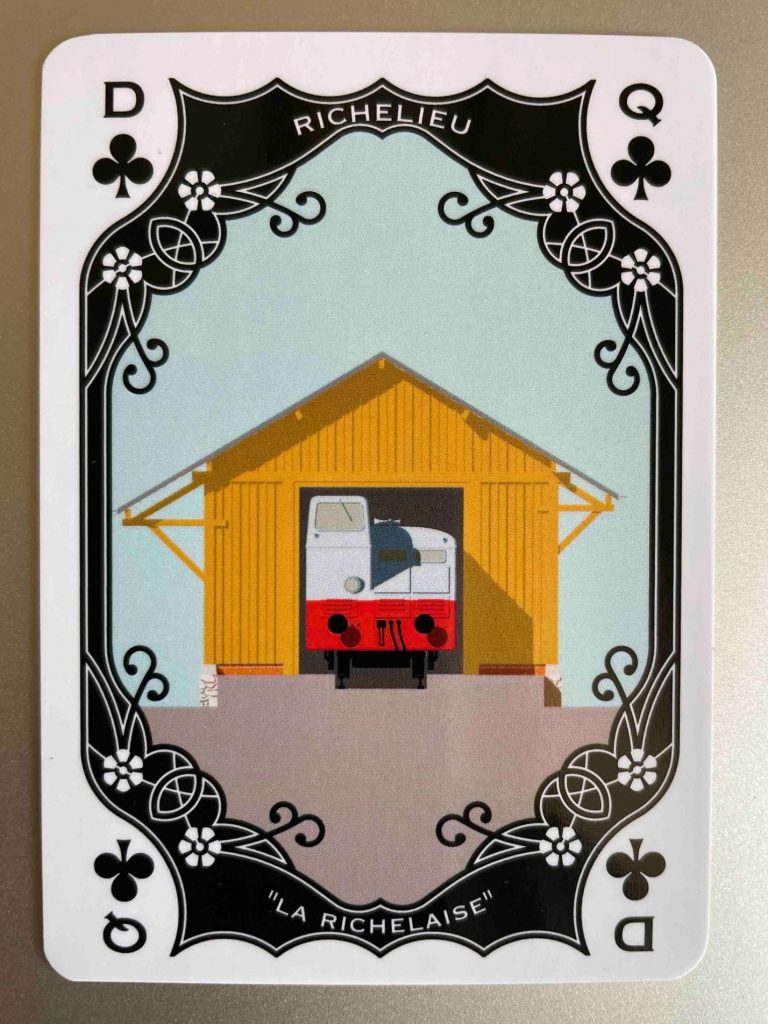
"La Richelaise"
French railway heritage testifies to the major role played by the railway during the Industrial Revolution in the 19th century. A radical upheaval in the field of transport, railway engineers developed rolling stock adapted to the traffic on the various networks, particularly secondary lines. The local railway (CFIL) reached its peak at the end of the 19th century, then declined throughout the 20th century with the rise of the automobile. Built in the immediate post-war period, "La Richelaise" was part of a rolling stock renewal program. The railcar, known as the FNC, left the Billard workshops in Tours in 1947 to enter service between Chinon and Richelieu. Classified as a Historical Monument in 1997, "La Richelaise" has been fully restored to its original condition between 2020 and 2022, before being moved to a dedicated exhibition space near the station.
Further information (in French) :
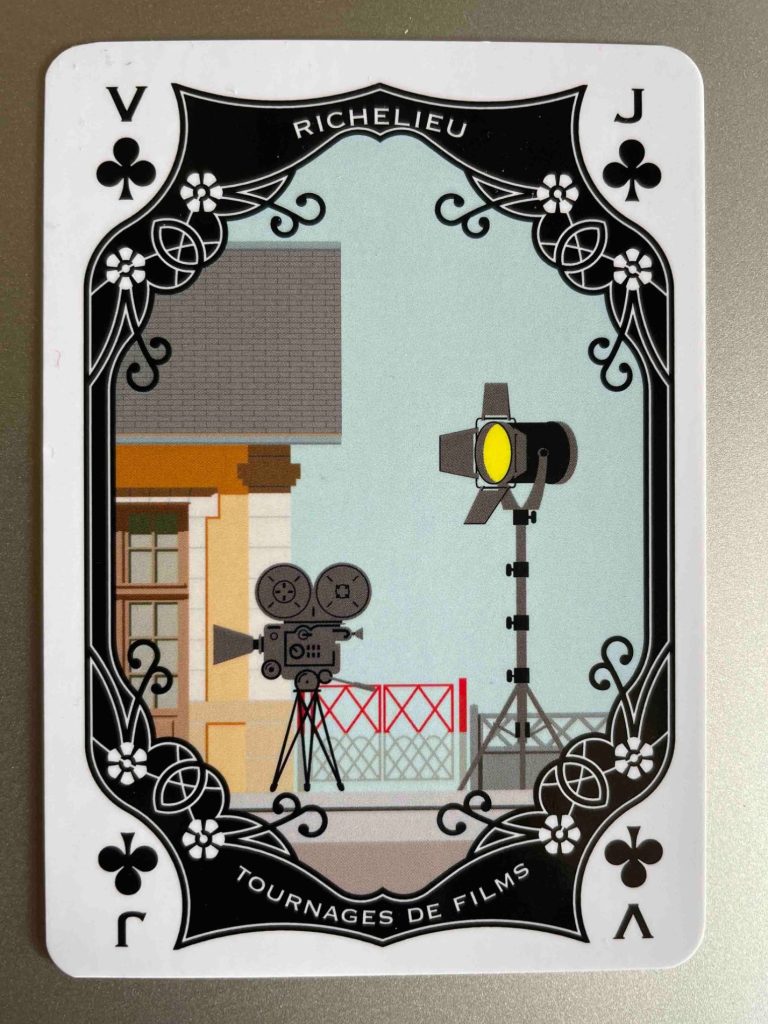
Tournages de Films
From 1974 onwards, for three decades, the TVT (Trains à Vapeur de Touraine – Steam Trains of Touraine) association operated the Ligré-Rivière to Richelieu railway line for tourist use. Owners of historic railway equipment, the association's activities also attracted filmmakers. The excellent preservation of the infrastructure and rolling stock allowed them to overcome filming challenges in the context of historical reenactments. More than 70 films used the Richelieu station site, attracting directors such as Bertrand Tavernier, Maurice Pialat, Claude Zidi, Roger Vadim, and Roman Polanski, among others. Numerous artists came to film in Richelieu, including Pierre Richard, Catherine Deneuve, Jacques Dutronc, Isabelle Huppert, Gérard Jugnot, Laetitia Casta, and Claude Rich. Indeed, often the only change to the scenery that appears in the films is the sign bearing the station's name.
Further information (in French) :
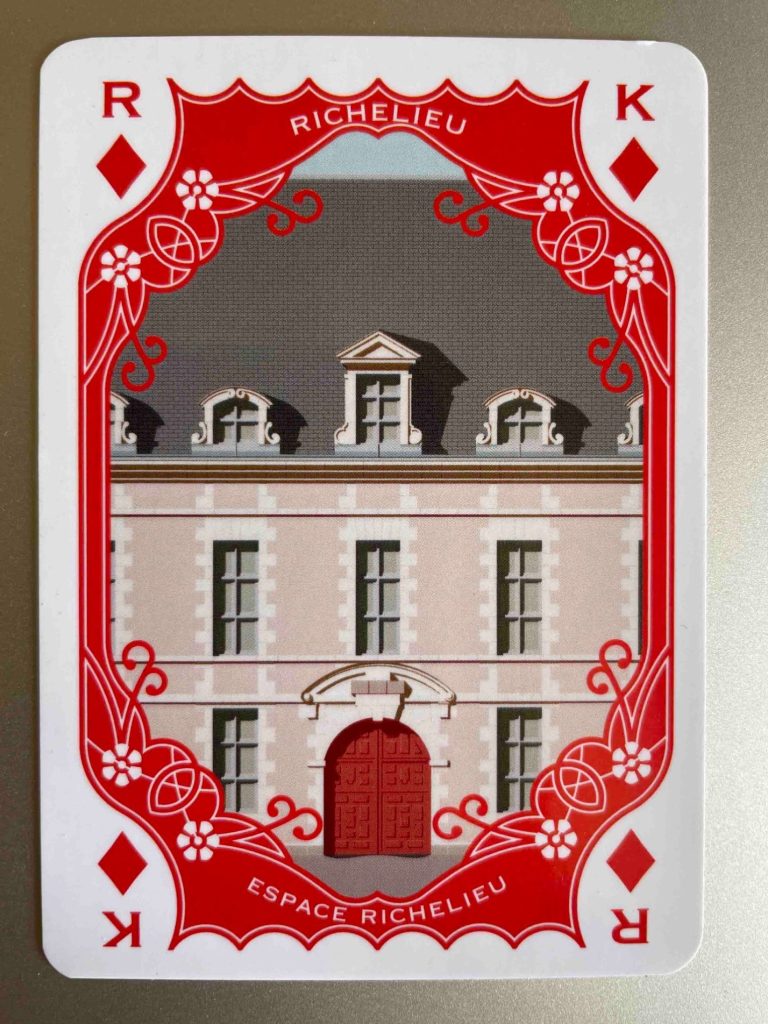
Espace Richelieu
Through permanent and temporary exhibitions, the Espace Richelieu offers insight into Cardinal Richelieu's "ideal city" project and the man himself. The site also provides an opportunity to step inside one of the 28 mansion houses (or pavilions) on the Grande Rue. Originally assigned to high-ranking officials of the Ancien Régime, these townhouses were mostly built between 1631 and 1634. The architect Jacques Lemercier primarily delegated the direction of the construction to the architect and master mason Jean Barbet. In his Book of Architecture of Altars and Fireplaces (published in 1633), Barbet dedicated his work to Cardinal Richelieu. Following the Cardinal's death, the owners quickly abandoned their townhouses to move closer to Paris and the Court. Their residences fell more or less into oblivion until they were gradually restored starting in the late 20th century.
Further information (in French) :
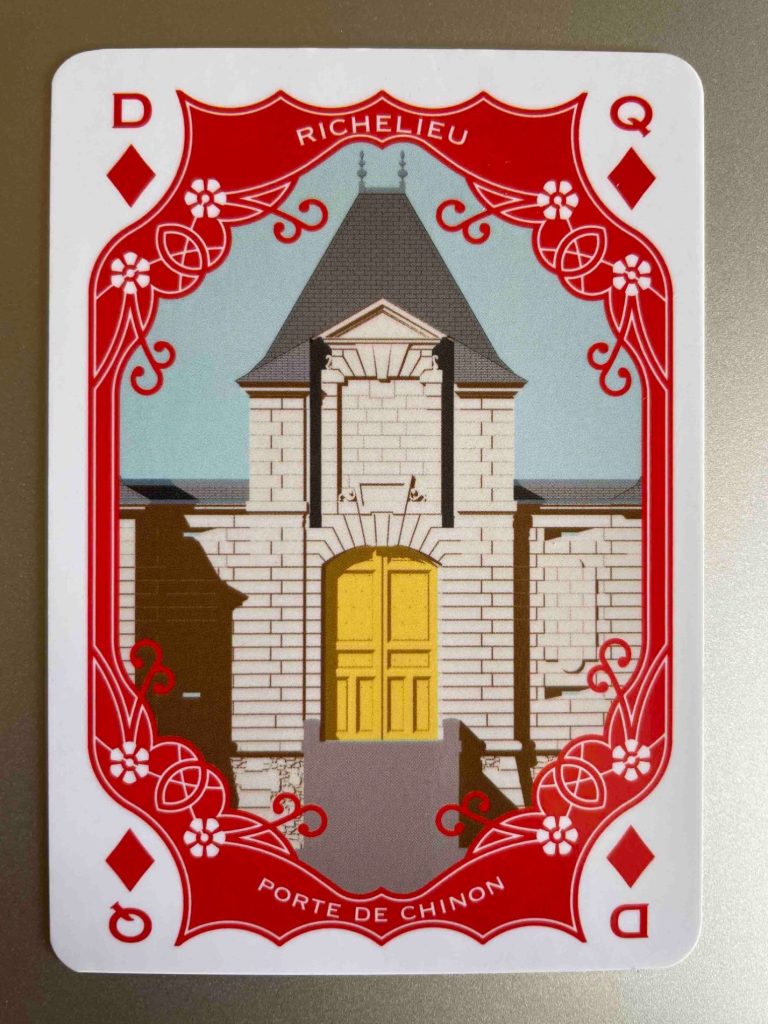
Porte de Chinon
Four monumental gates encircle the town of Richelieu. Three of them provide access to the town. The fourth, a false gate, serves only to maintain the symmetry of the Hippodamian plan envisioned by the architect. The Chinon Gate, located at the northern end of the enclosure, opens onto a north-south axis that runs uninterrupted through the town, the park, and the château. In urban planning, the implementation of a through-perspective is a distinctive feature that originated in Richelieu and would have a profound influence (the historical axis of Paris would evolve until 1989 with the Grande Arche de la Défense). Compared to the defensive aspect of the rusticated stonework of the overall structure, the woodwork of the town gates displays a certain elegance. In 2013, following a research campaign, the Terres et Couleurs association rediscovered the original colors that adorned all the town gates. Around a hundred volunteers then set about painting the gates, respecting ancestral recipes based on ochres (yellow ochre for monumental doors, red ochre for those of private mansions).
Further information (in French) :
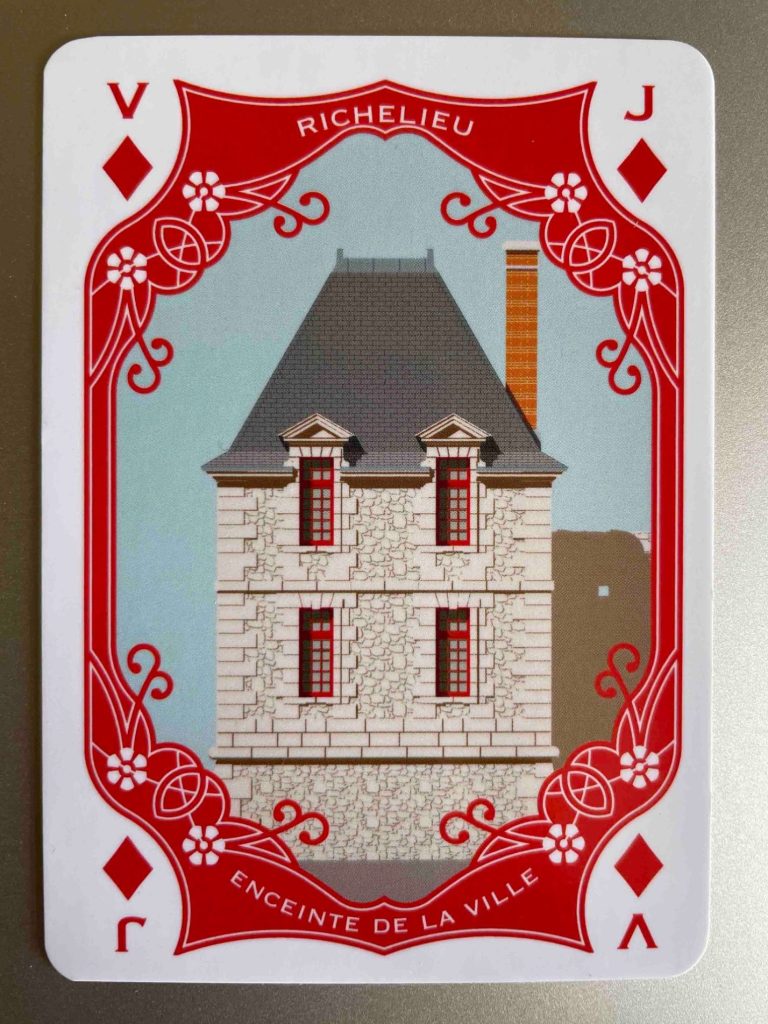
Enceinte de la Ville
Built from scratch according to the plans of architect Jacques Lemercier, the town of Richelieu was laid out within a quadrilateral measuring approximately 610 by 380 meters, protected by a wall. The defensive aspect of the town's enclosure was, however, moderate, as Richelieu was not a military town (pavilions occupied the corners rather than bastions). The primary aim was to delineate a space encompassing the main functions of a town of the time (administrative, commercial, and religious) and to separate it from the park and the château (themselves enclosed by walls). The town also housed the Royal Academy of Richelieu, of which very few documents have survived. The institution's purpose was to educate young nobles, and its location within the town is commemorated by its surrounding streets: the Rue de l'Académie and the Rue du Collège. Cardinal Richelieu's role profoundly influenced French cultural and educational life; he founded the French Academy (Académie française) in 1634/1635. The Cardinal also directed the construction of the Sorbonne chapel (where he was buried in 1642) in collaboration with the same architect, Jacques Lemercier.
Further information (in French) :